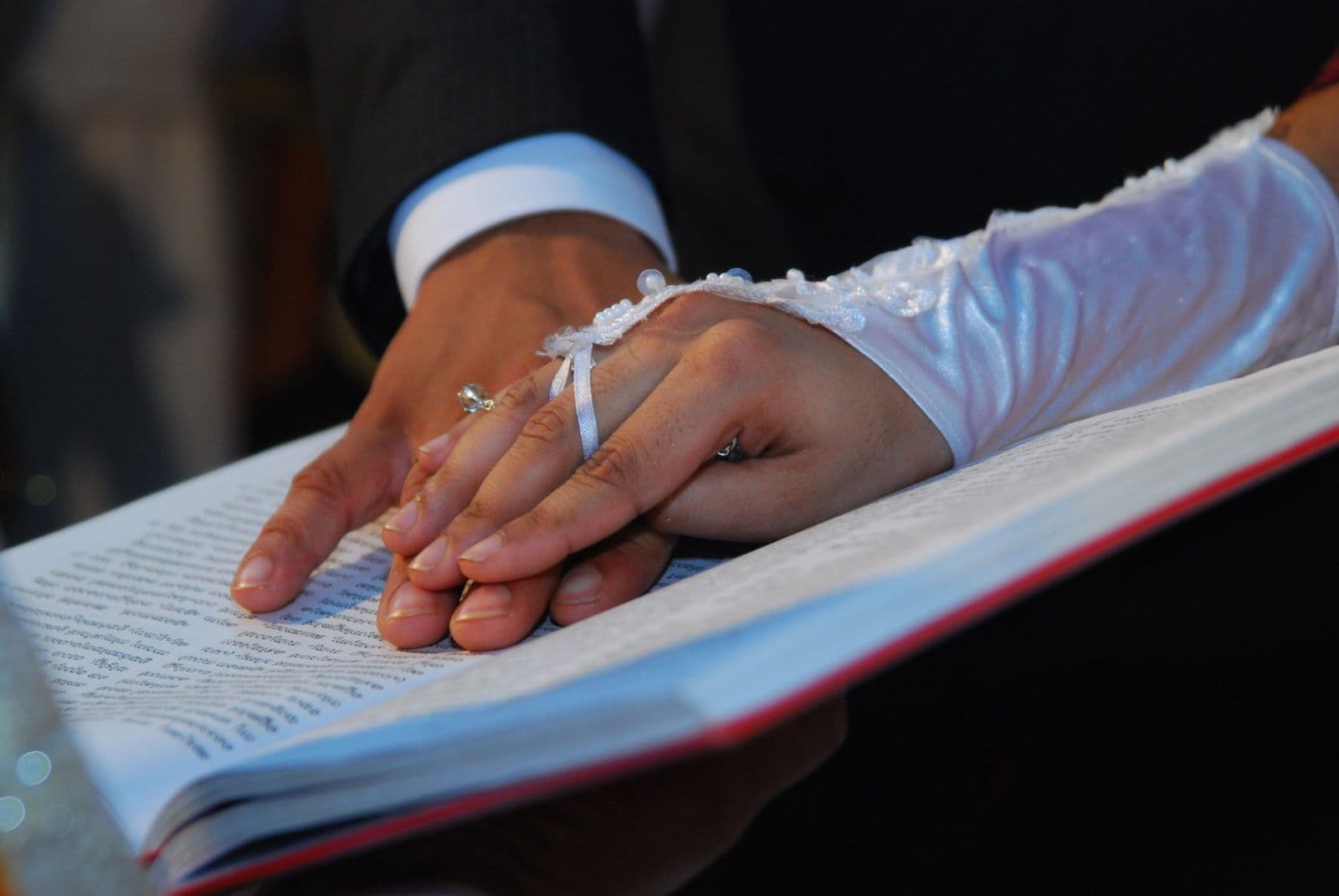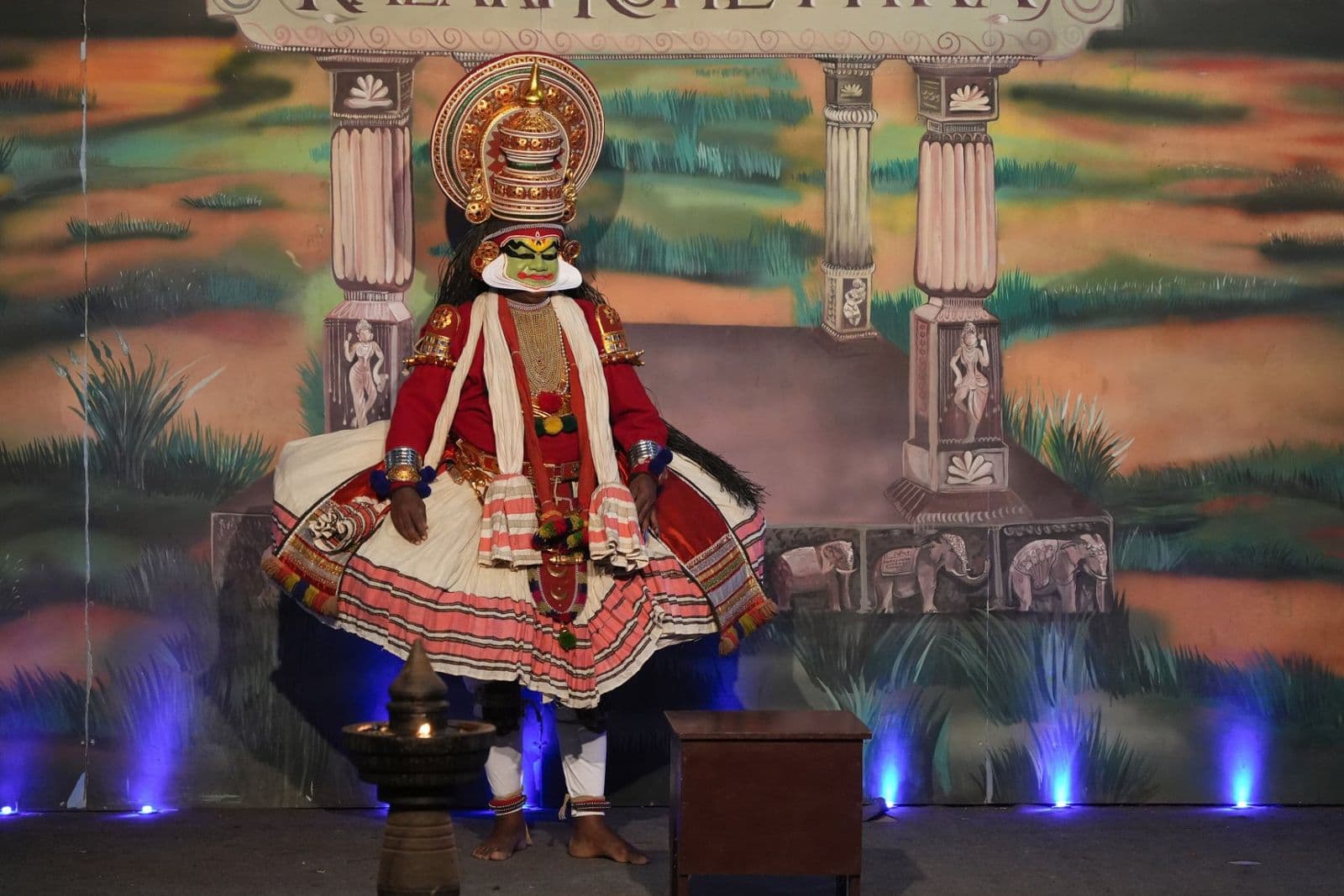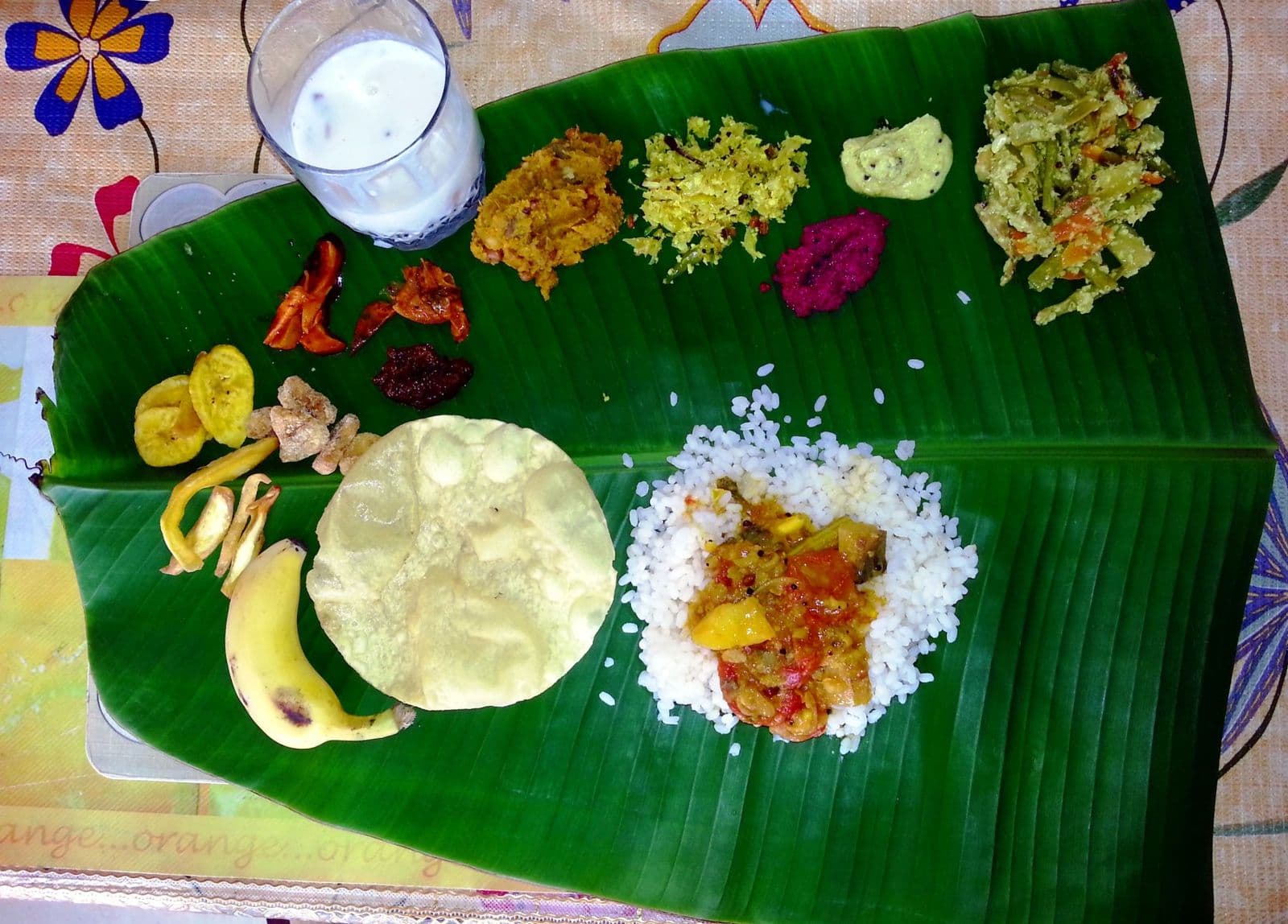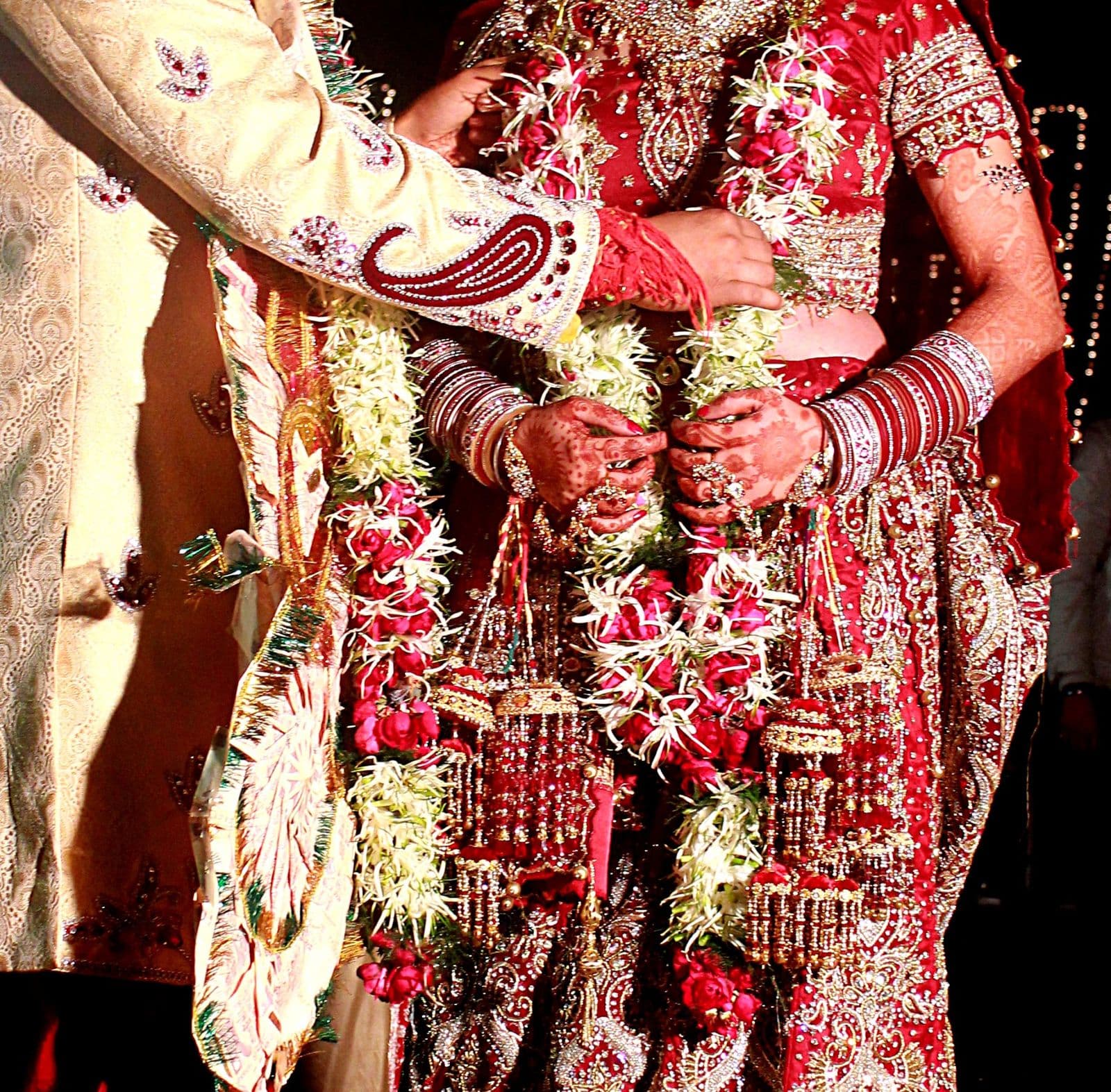
A fusion wedding in India blends the traditions you grew up with and Indian customs you love: rings and garlands, a white gown and mehndi, a first dance and chenda drummers, a cake and a sadya. The best fusion weddings borrow cultural customs rather than religious rites, and explain every moment to both families.
What makes a wedding “fusion”?
Fusion simply means both of you are in the room. One partner may have Indian roots and the other not; you may both be from abroad and in love with India; or two Indian families from different regions may be meeting. Either way, the goal is a wedding where nobody feels like a guest at someone else’s culture.
Which Indian traditions work well for couples from abroad?
These are cultural customs, open to everyone, and guests love them:
- Mehndi. A relaxed afternoon of henna, music and food. Guests get small designs too.
- Garland exchange. After the rings, the couple exchange garlands of marigold and jasmine. It is joyful and photographs beautifully.
- Lighting the lamp. In Kerala every good beginning opens with lighting the nilavilakku, a tall brass lamp. It is a lovely replacement for a unity candle.
- Music. Chenda melam drummers for the arrival, a nadaswaram duet with a violin during the ceremony.
- The feast. A Kerala sadya on banana leaves or a Rajasthani thali, with a wedding cake at the end.
- Clothing. A kasavu stole over a gown, a mundu or kurta for the groom at dinner, and saris and kurtas for guests who want to join in.
What should we keep from home?
Whatever matters to you. Couples often keep their own vows, an aisle walk with a parent, readings or a sermon, a first dance and speeches. We plan the running order so each moment gets room to breathe.
How do we do it respectfully?
- Borrow customs, not rites. Religious rituals belong to people of that faith. If neither of you is Hindu, for example, a symbolic garland exchange and lamp lighting feel right; a full Vedic ceremony only makes sense if a priest leads it and you want its meaning.
- Explain everything. We write a short order of ceremony for guests from both sides, so everyone knows what is happening and why.
- Let locals lead. Priests, musicians and dance teachers bring their traditions; your job is to enjoy them.
- Dress properly. If guests wear Indian clothes, we help them wear them well. A mundu tied correctly is a proud moment.
A sample fusion weekend
| Day | Function | What happens |
|---|---|---|
| Friday | Welcome and mehndi | Arrivals, henna on the lawn, a relaxed dinner |
| Saturday | Sangeet | Both families perform a dance, then everyone dances |
| Sunday | Ceremony and reception | Vows, rings and garlands at golden hour; lamp lighting; a sadya and cake; first dance and fireworks |
Questions couples ask
Can a non-Indian couple have an Indian-style wedding?
Yes. Many couples from abroad include cultural customs such as mehndi, a garland exchange, lamp lighting and Indian music alongside their own vows.
Do we need a priest for a fusion wedding?
Not necessarily. A celebrant, a friend or a priest can lead the ceremony; if you include a religious rite, a priest from that tradition should lead it.
What should Western guests wear to an Indian fusion wedding?
Formal wear is always fine. Many guests enjoy wearing Indian clothes for the mehndi or sangeet; we can arrange fittings on arrival.